API quota exceeded. You can make 500 requests per day.
Boundary lines and troubles are the parts of fencing jobs that many owners only think of after something fails. I see it at all times: the messages remain in, the rails look straight, and afterwards the reality strikes. A neighbor inquiries the line. A council officer asks for a study. A preparation problem appears late. Instantly a tidy set up comes to be a pricey redo.
If you have Colorbond fencing, or you are planning a brand-new Colorbond fence, this is the guide you desire you had prior to the very first post holes were dug. Not due to the fact that it will assure authorization, yet because it will help you choose that hold up when analysis arrives.
The uncomfortable reality about "where the fencing is meant to be"
A Colorbond fence is simple from a distance. It is steel, it is durable, it is generally installed with tidy, specialist handiwork. Up close, the whole job depends on precision: the exact border, the right countered, the best height, and the appropriate compliance pathway for your property.
Most limit conflicts start similarly. Somebody thinks they are constructing "on the boundary" since that is what they have actually constantly done, or what a previous proprietor did. Another event believes they are qualified to a various analysis due to the fact that they have an old fence line, a garden bed, or a noting they depend on. Then a third reality gets in, residential property titles and surveys.
Property limits are legal lines. Fencing placements are physical objects. When you mix both without confirming, you transform what must be a straightforward job into a lawful and logistical mess, specifically with fencing professionals that are quoting based on site assumptions.
If you are hiring a Colorbond fencing installer or a Colorbond fencing builder, the most intelligent thing you can do is insist on clarity before fabrication.
Boundary line versus trouble, and why individuals perplex them
A limit line is the lawful edge of your land. A trouble is the distance a fencing should rest from a particular limit or from the road or various other designated location. Troubles usually exist because councils and regional preparation plans try to manage view lines, water drainage, gain access to, and influence on streetscapes.
Here is the useful method to think about it:
- A limit determines the building line.
- A trouble determines where your fencing can legally be positioned about that line.
You can be "on your boundary" and still be non compliant if a neighborhood guideline needs a setback. And you can be "held up" securely and still be wrong if the true boundary is not where you thought it was.
For Colorbond fencing owners, this ends up being added crucial since fence replacement is where lots of people discover the fencing they acquire was never effectively aligned, never ever correctly accepted, or both.
Why councils respect fencing placement
Setbacks are hardly ever arbitrary. From the professions side, the typical factors are straightforward.
Sight lines at corners matter, especially near intersections or driveways. Some councils require extra distance so automobiles can see each various other when backing out or transforming. Drainage issues also. If your fencing sits where a water drainage easement or stormwater line runs, you can create continuous problems, also if the fencing looks fine.
Then there is accessibility. Solution passages, utility gain access to, and paths can impact where fencing can be erected or changed. Some sites have restraints that are not apparent in the backyard.
The bottom line I want you to bear in mind is this: when councils ask for a conformity plan, they are not attempting to be difficult. They are attempting to ensure the fencing does not obstruct something it need to not block, which it does not land in an area reserved for various other purposes.
The real-world trigger factors that produce disputes
Most fencing problems I have seen with Colorbond fence company work are not regarding the steel. They have to do with borders, offsets, and expectation management.
A few circumstances show up again and again.
First is the "existing fence assumption". Owners think the older fencing is properly positioned. Sometimes it is, in some cases it is not. If it has actually been there for decades, the presence of a long standing fencing might assist with a useful outcome, but it does not instantly make it legal in every council context.
Second is the "shared plan" trouble. If you and your neighbour both consent to a line informally, that is handy, however it can still conflict with survey info or planning requirements.
Third is when a residential property has an incline or shifting ground. Setbacks that were simple on level land come to be unpleasant on a slope. Individuals attempt to maintain the top rail level or the fencing visually straightened, however after that the articles wind up also close in one place and also much in one more. The steel looks neat, the compliance might not.
Fourth is when a site has solutions. Stormwater, power, or telecom easements can run where you would normally want to set posts. Contractors need to locate solutions, yet proprietors still need to be sharp regarding the placement end results, not simply the appearance.
Before you authorise a Colorbond fencing service provider, verify the basics
If you want your Colorbond fence to hold up, deal with border and trouble confirmation like component of the building and construction, not a management afterthought.
This is just one of minority times I will proactively advise you spend time on documents and measurement. It normally saves cash later.
Here is a practical confirmation checklist I utilize when I am recommending owners who are intending a brand-new Colorbond fence or changing one:
- Order or confirm a present limit survey (or request a copy of the existing survey if you have one)
- Check neighborhood council fencing rules, including elevation limitations and obstacle distances
- Confirm whether any type of easements or water drainage lines run along or through the location where blog posts are planned
- Ask the installer to show the intended blog post lines and offsets on-site prior to holes are dug
- Decide just how you will certainly deal with any type of overlap in between "design preference" and conformity requirements
That last factor is crucial. Proprietors typically pick a height since it blocks noise or boosts personal privacy, then assume they can "make it function" within problem regulations. Occasionally you can. In some cases you can not. The fencing needs to match the compliance path, not the other method around.
Height, panels, and the compliance trap
Owners generally focus on the appearance: color choice, slat design, framework, and the clean surface of Colorbond bed linen. Elevation is likewise a large bargain, due to the fact that it influences privacy and wind resistance.
But conformity is typically concerning height determined in the way the policies define, and sometimes regarding where the ground level is taken into consideration. On irregular surface, a fencing can be certified at one end and non certified at the various other if the guidelines use specific measurement points.
This is where profession experience helps. An installer that recognizes obstacles will plan the rail and message layout with compliance dimension in mind. A building contractor that just respects "a straight looking fencing" can accidentally develop a lawful problem also when the workmanship is excellent.
When you talk with a Colorbond fencing installer or a Colorbond fencing builder, ask the unpleasant inquiry: "Exactly how will you make sure the fence meets the elevation and setback policies on this specific website, including the uneven ground?"
An excellent professional need to be comfortable answering. If they react like you are being challenging, that is your cue to reduce down.
Dealing with the neighbour discussion without turning it into war
Boundary problems are emotional. Even if you are one hundred percent convinced you are right, the conversation can spiral fast. You want contract, not a debate concerning that has the most effective memory.
I have actually discovered a calm, evidence led strategy works better than a "my legal rights" approach.
Start with the shared objective. You both desire a fencing that looks good, lasts, and does not develop issues. Then secure the discussion in measurable realities, a study, a plan, and the conformity requirements.
If you are setting up a Colorbond fence on or near the border, consider doing a brief website stroll with your specialist present. You can ask them to mark the proposed article lines about the border strategy. You are generally transforming an argument into a common visual.
If a neighbour pushes back, request for their basis. Sometimes they have a strategy. Occasionally they have old dimensions. Often they do not. Regardless, you can then make a decision how much you require to validate before you proceed.
The secret is to maintain the procedure structured. "We'll develop it below" is a setting. "Below is where the study shows the border is, and right here is where the trouble demand puts the fencing" is a process.
Setbacks transform the style you think you are buying
Setbacks can compel concessions that proprietors do not anticipate.
Imagine you intended a fence line to align flawlessly with a garden bed or a maintaining edge. If a council regulation calls for a balanced out, the fencing may need to be moved. That can develop troubles with gate positioning, border plants clearance, and the capacity to maintain the area available for maintenance.
On slim blocks, an obstacle can also minimize functional room. Owners after that desire changes to the fence to "fit the lawn," yet the guidelines often do not bend for aesthetics.
This is where experienced Colorbond fence building contractors include value. They do not just install panels. They collaborate format choices early so the fencing fits both conformity and useful life.
If a specialist appears unwilling to discuss planning restrictions before pricing estimate, be careful. You may be paying for a fencing that looks terrific on day one and requires changes after approvals or neighbour complaints.
Where the pain often begins with older fences
If you are replacing an existing Colorbond fence, or changing from timber to Colorbond, border interpretation becomes even more complicated.
Old fencings may have been set up when different rules applied. Some councils have actually transformed elevation limits. Some councils have clarified dimension approaches. The old fence might also be "close sufficient" to the border line that no one examined it for several years. That does not indicate it abides now.
Owners in some cases assume they can fix what is damaged and maintain whatever in the exact same location. Yet if the substitute triggers the demand to fulfill existing standards, you may have to move the fencing or modify its height.
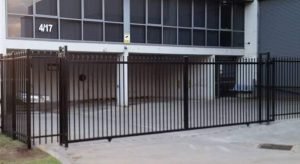
A mindful method is to treat replacements as conformity jobs, not aesthetic upgrades. Ask the installer and your local council whether the replacement transforms the authorization path. If you desire a quick answer, demand support in writing or at the very least capture the council reaction details.
If you are dealing with Colorbond fence contractors, see to it your agreement clearly states what conformity steps are consisted of. Do not assume it is automatic.
What to ask your Colorbond fencing company prior to they quote
A quote is not simply a rate. It is an implied strategy. If the strategy is vague, you will lug the threat later.
Here are the concerns I suggest owners ask. Keep it direct, and tie each concern to an end result you care about: placement, compliance, and price control.
Ask how they establish the limit line and obstacle places on your lot. Ask what occurs if the significant message lines problem with the limit study. Ask who is responsible for finding easements and energies. Ask how they gauge height, specifically on sloped websites. And ask what approvals are required for your certain situation.
A high quality Colorbond fencing installer, Colorbond fence installer, or Colorbond fencing company should invite these inquiries. If you obtain common responses, push for site details explanations.
This is also where it aids to inquire about documentation. Do they supply a layout drawing? Do they note the suggested blog post placements on-site with you before work starts? Can they describe the clearance around entrances and any kind of offsets required for maintenance?
The tradeoff is time. The benefit is less surprises.
The grey areas: when "it looks right" is not good enough
Some fencing lines are tricky despite having a survey. That is due to the fact that actual sites have genuine problems: unequal terrain, tree roots, buried solutions, and unpleasant driveways.
One usual grey location is edge residential properties. Sightline guidelines can call for offsets that differ from straight limit runs. Another is when there is a laneway, accessibility road, or public brink interaction. Even if you are fencing "your side," the regulations can still deal with the edge border as special.
Another grey Find more information location is when neighbours both want privacy. They could settle on a greater fencing, but approvals and compliance might still restrict what is allowed. Arrangement does not constantly bypass council needs. You may still require to abide by elevation and positioning rules also if your neighbor indicators off.
If you are relying upon a handshake arrangement, treat it as a useful step, not a lawful solution.
A short word on disagreements and practical escalation
If a neighbor challenges the fence placement, keep your focus on truths and resolution. Stay clear of risks. Prevent ambush conversations. If you already built, stop any type of more work and get clearness fast.
In most situations, the cleanest resolution path is to: 1) recognize the boundary utilizing a survey, 2) confirm the existing guidelines that put on your whole lot, 3) compare the fencing setting to those rules, 4) agree on removal if needed.
If you have an ongoing difference, it may relocate right into official networks. I am not suggesting you jump directly into that. However you ought to also not drag your feet. A fence is a fixed asset once built, and adjustments obtain extra costly as materials and landscape design get secured in.
This is where the choice of specialist issues. A responsible Colorbond fencing specialist need to be able to assist with rehabilitative planning and describe the actions clearly, especially if the problem is positioning and not workmanship.

How to keep a Colorbond fence compliant over time
Owners in some cases believe compliance is a one-off event. Develop it once, and you are done. Not always.
Even if your fence is certified at installment, you can unintentionally alter compliance through later modifications. Cutting sheet heights, including mendings that modify the effective height, or setting up strong toppings might affect dimension rules.
Land degrees additionally transform in some situations. Maintaining job, yard improving, or water drainage modifications can alter where the council gauges ground level, depending upon regional policies. That is not something lots of people think about when they grow a brand-new hedge or move dirt around the base.
To safeguard on your own, keep a record of the installment information. Keep any kind of illustrations, compliance documents, and approvals you received. If you ever replant or construct a preserving side that raises ground level near the fencing, pause and think about whether it alters just how the fence is measured.
For long-term owners, this is the difference in between "it has actually constantly been fine" and "why is this all of a sudden an issue."
Choosing the ideal installer makes border job easier
If you are comparing Colorbond fencing contractors, look beyond the per metre cost. Ask about exactly how they manage border verification, just how they manage problems, and whether they can prepare for difficult sites.
An excellent installer or home builder will certainly not only mount the steel panels. They will certainly intend the design so the fence winds up where it needs to be, and they will describe the tradeoffs plainly. They will certainly likewise collaborate entrances, messages, and rails so practical usage does not obtain given up for a strict line.
This is where I choose to deal with groups that can speak with you regarding the "why," not simply the "how." If they can describe why they are putting a message where they are, and what rule drives a countered, you will certainly have fewer problems after the fact.
What happens if your fence is already in the incorrect place
If you believe your existing Colorbond fence is also close or too high, do not panic. The action should be measured.
Start by confirming borders and obstacles with an existing study and council guidance. After that compare the fencing placement to those information. If the problem is small, there may be choices such as repositioning specific areas, readjusting elevation, or modifying components. If it is extra considerable, a bigger remediation might be required.
The secret is to avoid guessing. Guessing leads to costly rework.
When you contact a Colorbond fence builder for advice, ask them to analyze compliance danger, not simply handiwork. You want someone who can determine what would likely be flagged, and what the practical removal course looks like.
Practical following steps for Colorbond fence owners ideal now
If you are intending a brand-new fence, your instant action is straightforward: lock in the limit and obstacle presumptions prior to anything is produced. If you are managing an existing fencing, you still benefit from the very same strategy, but you start with confirmation instead of design.
Decide whether you require a survey. If you are unsure, ask your specialist what they normally do when limits are unclear. Several Colorbond fencing installers will deal with existing strategies, yet the best ones will certainly likewise inform you when a study is non negotiable.
Then get council assistance. If your fencing proposition crosses certain limits, approvals may be required. Also when authorizations are not always required, obstacle policies typically still apply.
Finally, document the procedure. A clean paper trail shields you if a neighbor later on tests the placement, or if a council inspection calls for clarification.
That could sound like job, however it is less costly than moving a steel fencing after it is set up, repainted, and bordered by landscaping.
A fact examine cost and timeline
Boundary and problem work affects both price and time. A survey could take added days. Council support can take longer relying on just how complicated the whole lot is. Laying out the fencing line properly can additionally take more time on website, specifically if you have a sloping yard or complicated access.
But below is the advantage I have discovered to stress with proprietors: an appropriate placement saves you from the expensive rework stage. It likewise decreases the chance you will wind up in a neighbour disagreement that drains months.
A Colorbond fence is indicated to be durable. If you prepare for border fact and problem needs early, you reach appreciate what you got, the toughness and the clean coating, without carrying compliance stress each time a person takes a look at the fence line.
If you desire one takeaway, make boundary and obstacles component of the build, not part of the problem.